
All for ants

All for ants

Credit: John Walters

We’ve been helping rare narrow-headed ants find new homes in our nature reserves.

We’ve undertaken some changes at our Chudleigh Knighton Heath nature reserve in south Devon aimed at helping a special local resident. 

The narrow-headed ant is one of the rarest insects in the UK. It was probably never common, but it was certainly once much more widespread. Its numbers plummeted in the 20th century with the loss of its favoured heathland homes. 

The ant, which looks similar to but is smaller than a wood ant and has a characteristic pinch shaped head which gives it its name, lives in colonies of around 1,000 to 5,000 individuals. Together they construct and maintain a small, mound shaped nest topped with a thatch of nibbled grass stems or heather, depending on whatever is available. Each colony contains a queen, or several queens, who can live for between 10-25 years.
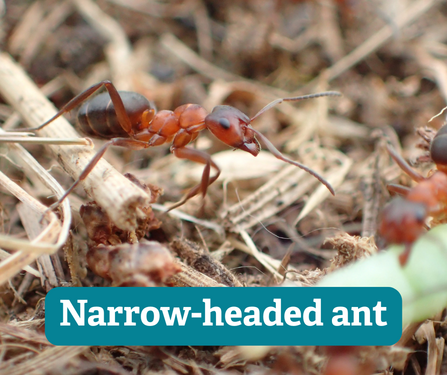
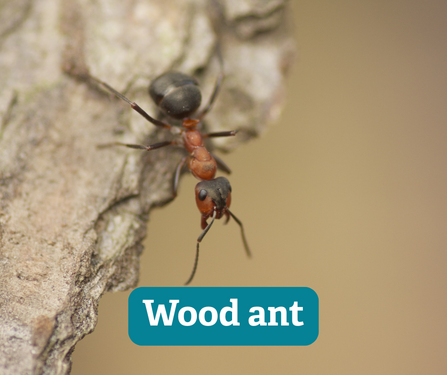
Narrow-headed ants have very defined requirements. They need their nests to be in open grassy areas, where the sun can warm them. But also need to be close enough to scrubby plants including gorse, birch and buckthorn which they use to find small insect prey and also harvest honeydew from aphids. 

Over the past year our nature reserves team, helped by volunteers, has worked to create these perfect conditions at Chudleigh Knighton Heath, removing some scrub to open up grassy areas while leaving enough feeding opportunities within reach. 

The initial results of this work seem positive with Nature Reserves Officer Chris Moulton reporting that narrow-headed ants were “doing well”. Other wildlife has also benefited with increased numbers of nightjars and Dartford warblers being heard and seen this summer.

Lowland heath and pond at Chudleigh Knighton Heath nature reserve

Chudleigh Knighton Heath (Simon Williams)

However, having a rare ant living at a single site isn’t the safest of survival strategies. A warming climate leaves the ants vulnerable to specific threats. Scrub grows more quickly, smothering open areas, while destructive wildfires become more common. The team has responded cutting back bramble and gorse and making firebreaks. But risks remain.

Concern around this is why we’ve recently been trying to develop and trial techniques to establish nest colonies on other sites, looking first at our Bovey Heathfield and Teigngrace Meadow nature reserves, plus within other areas of Chudleigh Knighton Heath itself. Using expert help and with input from the charity Buglife, 50 narrow-headed ant queens have been released in new areas across the three sites, each year for the past three years. 

It can take some time before queens build up their new colonies enough for the characteristic nests to appear. The trial work is to continue, and in the meantime we’re looking closely for the first signs of new nests.

Become a member and support our work

The vital work we do for nature depends on the support of the people who care about the future of Devon's wildlife and wild places.

Become a member