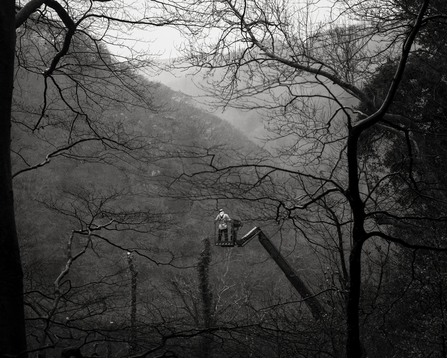
Saving Devon’s Treescapes was established in 2021 with the aim of restoring huge losses of tree cover caused by the devastating plant disease known as ash dieback. It targeted the replacement of trees outside of woodlands – including hedges, individual trees and orchards. It’s estimated that Devon will lose more than 80% of the many thousands of ash trees, some more than 100 years old.
Saving Devon’s Treescapes was led by the charity Devon Wildlife Trust on behalf of the Devon Ash Dieback Resilience Forum and was supported by the National Lottery Heritage Fund, One Tree Planted, the Woodland Trust and other partners including Devon County Council, East Devon Council and FWAG South West.
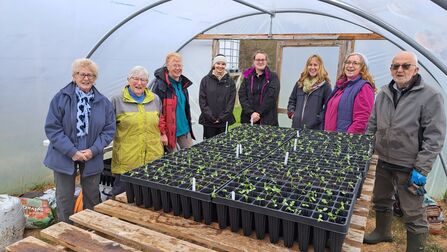
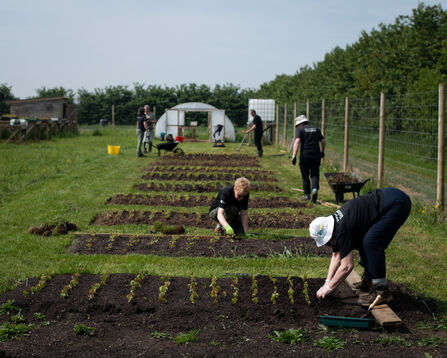
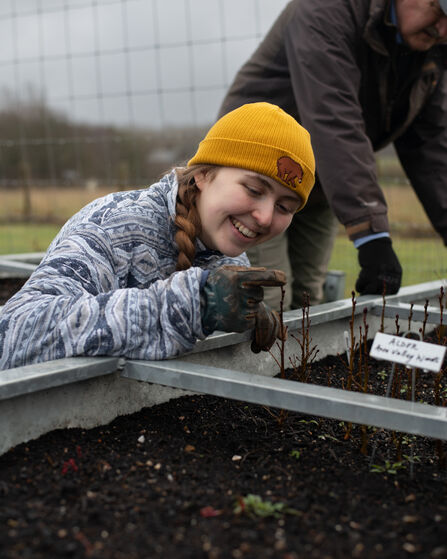
Farmland, parks, gardens, school grounds and community spaces have all benefited from the free trees distributed by the project. All the young trees were native kinds including oaks, hazels, spindle and hornbeam among many other species. Many of the saplings were grown from wild seeds collected in Devon and grown in the project’s two volunteer run tree nurseries – one at Broadclyst in east Devon and the other at Meeth Quarry nature reserve in north Devon.
Saving Devon’s Treescapes Project formally closes at the end of March after the completion of its funding, but it leaves behind a legacy in the shape of more than 250,000 young trees which will grow to benefit people and wildlife for decades to come.
Devon Wildlife Trust’s Michael Rogers has managed the Saving Devon’s Treescapes Project during its last 18 months. Michael said:
"I have worked on landscape-scale conservation projects for nearly two decades, from coastal grasslands on the north coast of Scotland to the dunes of the Carmarthenshire coast in south Wales – however it’s Saving Devon’s Treescapes that has had the biggest impact on me personally and has probably had the most impact on biodiversity too!
This project has been an incredible success, nurturing and planting more than 250,000 trees, but the real impact will be in several years when those communities and landowners who have been inspired by us to plant or grow their own trees continue the work we started here. That is why this project will have a lasting influence – one that is invaluable in our constant efforts to preserve Devon’s habitats and the species that depend on them for future generations."