The Devon Mammal Atlas is a joint venture between Devon Biodiversity Records Centre (DBRC) – the county’s hub for biological data – and the Devon Mammal Group (DMG) – a charity which works for mammal conservation. It is estimated that the major undertaking will be finished and made publicly available by the end of 2029.
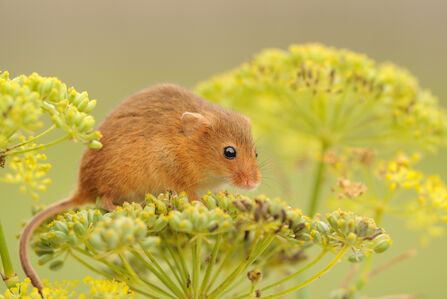
The project will provide a unique snapshot into how mammals are faring across the county. The Devon Mammal Atlas will concentrate its research on 33 terrestrial species, ranging from the rare to the more common. The list includes badger, beaver, brown hare, all deer species, hazel dormouse, hedgehog, mink, mole, otter, pine marten, polecats, rabbit, rats and mice, red fox, shrews, squirrels, stoat, voles, weasel and wild boar. The Atlas will produce detailed information for each including places where species have their strongholds and others where they may just be clinging on.
Ian Egerton is Head of Devon & Somerset Environmental Records Centres. Ian said:
“DBRC has been gathering information on Devon’s wildlife for more than 30 years, ensuring that robust data can positively influence planning and policy outcomes locally and nationally. However, this partnership project is enabling the first ever systematic survey of mammals in Devon. It will significantly change our understanding of the distribution of many of these under recorded and elusive species and supercharge our collective ability to protect them.”
While the project is being led by experts from both DBRC and DMG, its scale and ambition means that organisers are also turning to the public for help. The project is asking people to send in their mammal sightings via DBRC’s website:
In return the project will be offering identification training opportunities to provide less experienced contributors with the skills to tell their rabbits from their hares and otters from mink.
Charly Mead is the Chair of Devon Mammal Group. Charly explained:
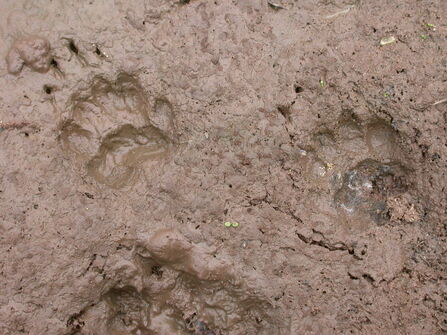
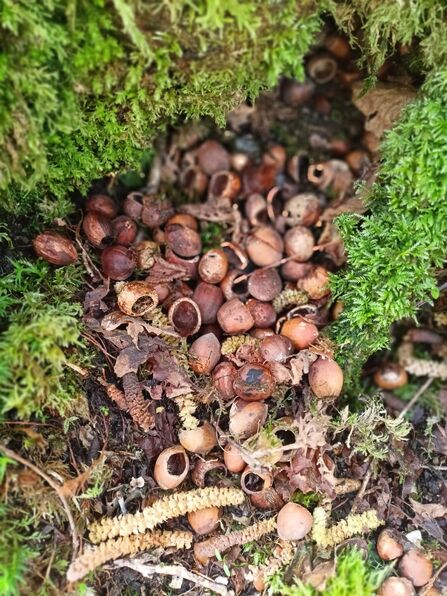
"You don’t need to spot a live animal to make a real difference. Looking for tracks, droppings, or dormouse nibbled hazel nuts is just as valuable as recording a garden hedgehog. By submitting your sightings and field signs online to DBRC you’re providing the vital evidence we need to map and protect Devon’s mammals."
On completion in late 2029 the Devon Mammal Atlas will be available via DBRC’s website. Reduced resolution of data will ensure that whilst distribution can be seen clearly, precise locations will be obscured, ensuring sensitive and protected species remain safe from disturbance or persecution.
Vicky Fairs is the Wildlife Warden Coordinator for Action on Climate in Teignbridge. Speaking on the importance of the project and of having accurate, up to date data on Devon’s mammals, Vicky said:
“We believe a Devon County Mammal Atlas would be very helpful for our volunteers working on community projects. As many mammals are small, fast, and/or nocturnal they are often under-recorded, which can leave a whole layer of our ecosystem overlooked. An atlas would enable volunteers to find out what mammals are living locally, spot gaps where surveys could be most useful and use this information to talk with landowners, farmers, and local authorities about practical ways to support them.”
To find out more about the Devon Mammal Atlas project and how to get involved.