From Devon to Poland: Sharing Lessons in Pine Marten Recovery

From Devon to Poland: Sharing Lessons in Pine Marten Recovery

Ali North and Daniel Brown - two Field Officers from the Two Moors Pine Marten project - joined conservationists and academics in Poland for the 36th European Mustelid Colloquium. Hear from Ali about their experience:
Pine marten looking at camera

Terry Whittaker 2020/Vision

The European Mustelid Colloquium brings together academics and conservationists from across Europe to share their work and research. This event is a valuable opportunity to learn more about the diverse family of mustelids, from martens, weasels and stoats to badgers, otters and wolverines. 

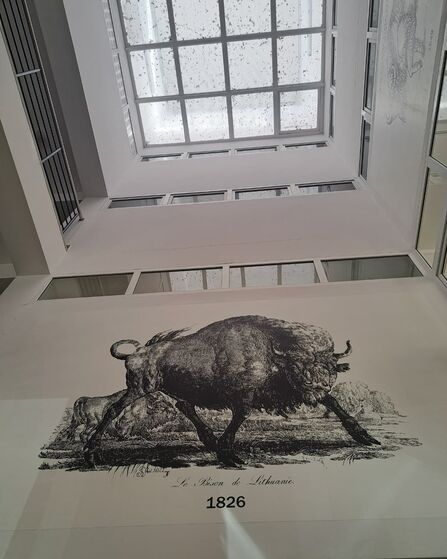
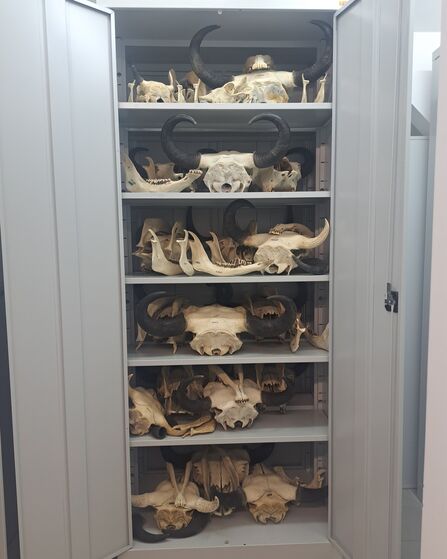
Co-organised by the Vincent Wildlife Trust and Poland’s Mammal Research Institute, the colloquium took place in Białowieża, home to one of Europe’s best-preserved old-growth lowland forest, its largest population of European bison, and a rich history of mammal conservation and research.

Białowieża is also an important location for pine marten research. Much of our understanding of their spatial ecology and population dynamics has come from studies of populations living in this remarkable forest. For all these reasons, it felt like a significant location and event to represent just some of Devon Wildlife Trust’s efforts for endangered mammal recovery in the UK.

Daniel presenting at a podium with a map of Devon displayed behind him

Two Moors Pine Marten Project

Daniel and I presented our analysis of post-translocation monitoring from the Two Moors Pine Marten Project. We also explored how, as Field Officers, we use these findings to inform practical conservation work on the ground.

Pine martens featured prominently throughout the conference. We heard from mustelid extraordinaire Dr Jenny McPherson about the history of pine marten and polecat recovery in the UK, Karry Keegan from RZSS WildGenes about pine marten population genetics and Jess Stevens on the drone radio-tracking trials conducted by the South Cumbria pine marten recovery team. The use of drones was especially interesting to us as the South West is a particularly challenging landscape for radio-tracking due to some of what makes it so beautiful - its deep wooded valleys, remote coastlines and rocky outcrops.

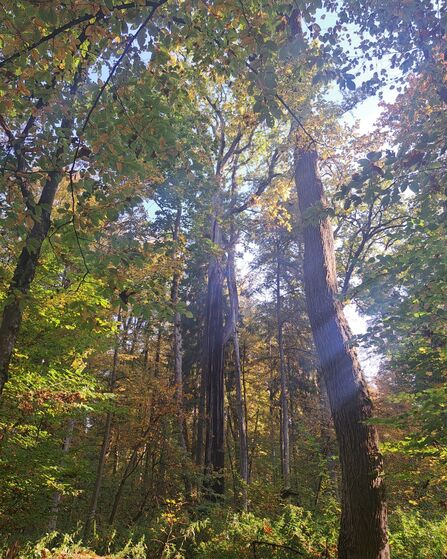
On day two of the conference, we were guided through the Strict Nature Reserve of Białowieza forest. The reserve is home to some exciting species – wolf, bison, lynx and pine martens to name just a few – and the Strict reserve is only accessible with a guide.

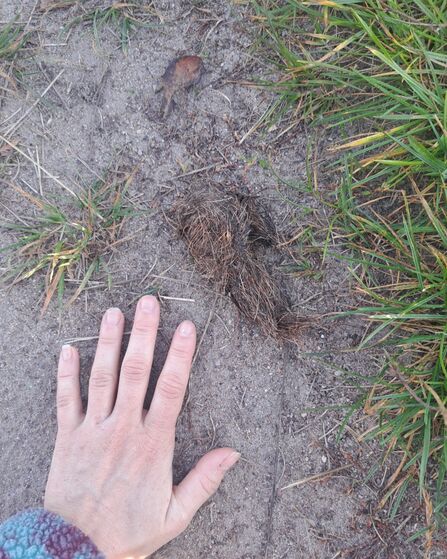
Fungi were in full force, autumnal leaves were falling and there was an amazing amount of deadwood, including incredible hanging branches that would give any Health & Safety officer the sweats! We found signs of wolf (areas of territorial scratched ground and scat) and elsewhere heard the loud calls and drumming of various woodpeckers (including the huge black woodpecker). We even saw the briefest glimpse of a pine marten zipping across the track ahead!

The trip was a fantastic opportunity to meet and learn from a brilliant bunch of academics and practitioners working to better understand and protect an elusive group of mammals. It was great to speak about a project I’m super proud to be a part of and whilst the woodlands of the South West can’t quite compare to the primeval woods of Poland (and the impressive assemblage of species it contains), its familiarity was a reminder of the importance of protecting these special places and working to recover the rare species that belong in them. 

A side note (but a significant part of our overall trip!) was that we made this journey without flying. This involved several cross-country trains (including a sleeper train) and over 50% less carbon used compared to plane travel.

Learn more about Two Moors Pine Marten Project

Become a member and support our work

The vital work we do for nature depends on the support of the people who care about the future of Devon's wildlife and wild places.

Become a member