

John MacPherson/2020VISION
Sign up is open for 30 Days Wild
Take on the UK's biggest nature challenge
Listening to bird song, admiring tree blossom, picking up litter - these are small, but mighty moments.
30 Days Wild is a challenge led by The Wildlife Trusts, helping you take note of these moments in nature every day in June.
This year is special as it's the 10th anniversary of 30 Days Wild and we're excited to celebrate with YOU this year.
Sign up today and receive a FREE pack, plus lots of inspiration for activities and a pack of herb seeds.

Luke Massey/2020VISION
Where to go this spring
Plan your next trip
Red-tailed bumblebee ©Jon Hawkins - Surrey Hills Photography
Stay up to date with Devon's wildlife
Sign up to our newsletter
Start a wilder commuity
Create your spaceProtecting wildlife for the future
Established sixty years ago by a small group of volunteers, Devon Wildlife Trust is the only charity that exists to protect all wildlife in Devon and to safeguard Devon’s unique natural environment.

Interested in volunteering?
Check out our roles
Vine House Farm ©Nicholas Watts, Vine House Farm Bird Foods
Are you a farmer or landowner?
We can help
Woman aged 35-45 years 'hugging' pine tree, Abernethy Forest, Cairngorms National Park, Scotland, - Mark Hamblin/2020VISION
Can a wilder Devon be part of your life story?
Read more hereLatest news
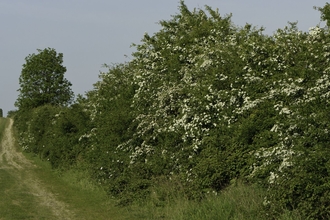
Hedge Rules Reinstated
On the 1st March 2024 the UK Government announced new hedgerow rules which mean that farmers cannot cut hedges between 1st of March and…
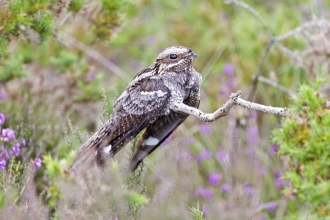
Paws for thought!
The Wildlife Trusts and Dogs Trust launch advice to encourage owners to keep their pooches on leads during nesting season from February…
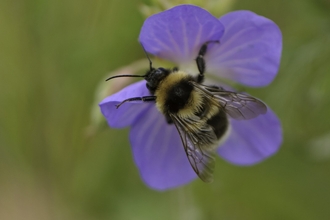
Emergency authorisation of bee-killing pesticide is a “deathblow” say The Wildlife Trusts
Today, 18th January 2024, the UK Government’s Farming Minister, Mark Spencer, has approved ‘emergency’ authorisation for the use of the…


What we're doing
Keep up to date on our work protecting wildlife in Devon


Become a member and support our work
The vital work we do for nature depends on the support of people who care about the future of Devon’s wildlife and wild places.